

Behaviour and Training
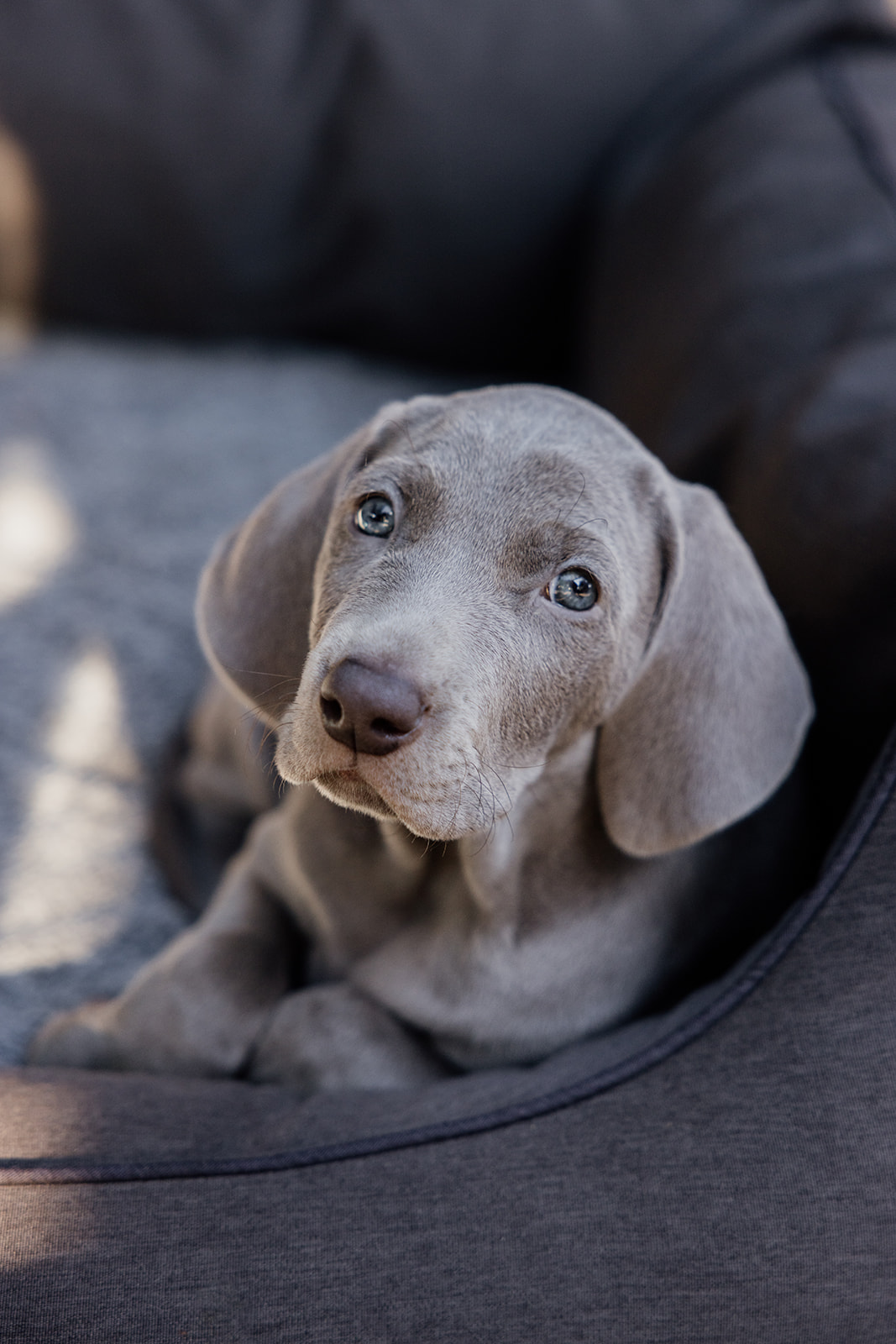
Bringing home a Weimaraner puppy is an exciting and rewarding experience, but it also comes with challenges. These dogs are intelligent, energetic and require structure, patience, and the right guidance to grow into well-adjusted adults. Here’s what to expect during the early months.
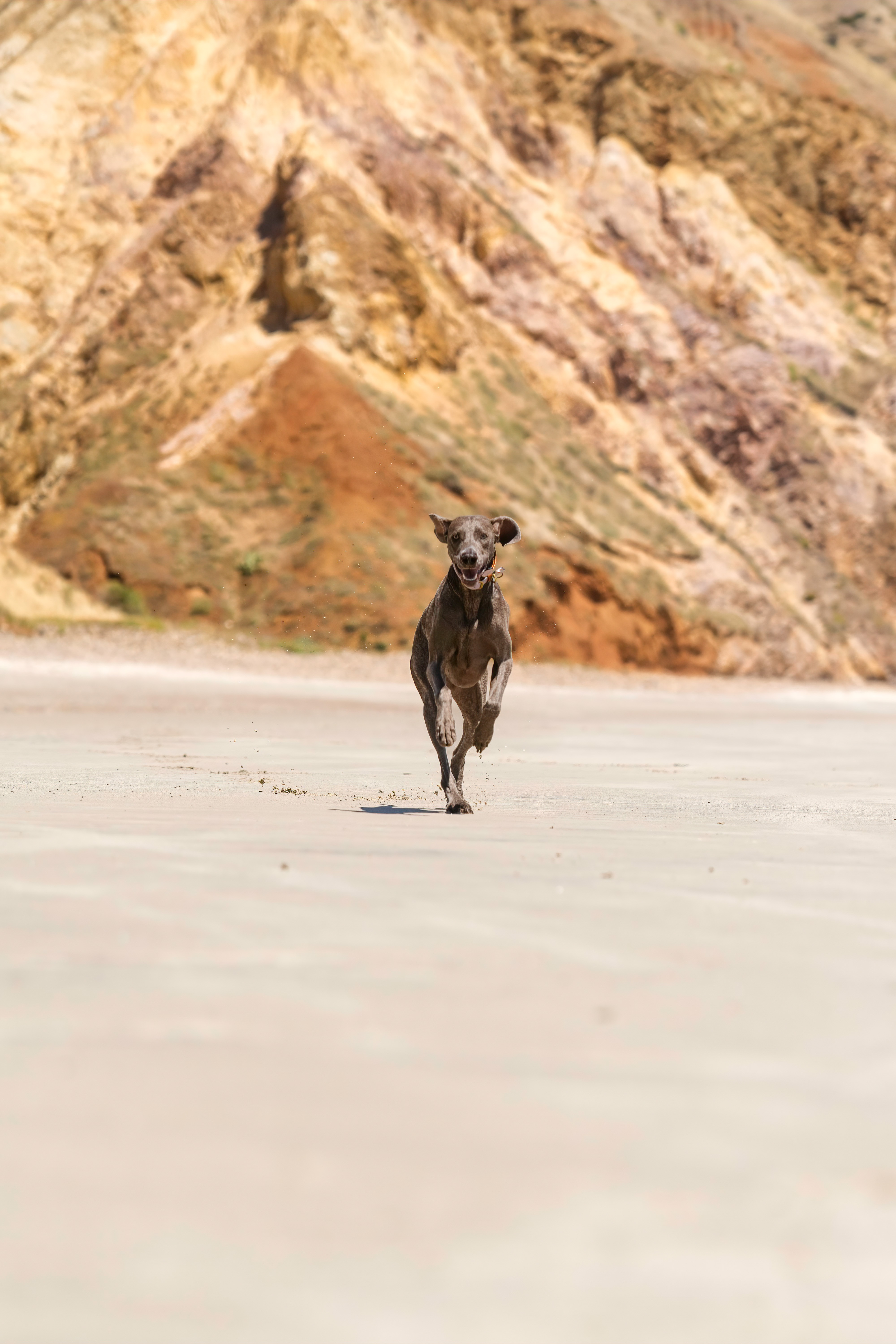

1. High Energy Levels
Weimaraner puppies are full of energy and curiosity. They love to explore, play, and learn, but like many puppies, can have short attention spans. Instead of long exercise sessions, focus on multiple short bursts of activity throughout the day. In each brief session, emphasize important skills. Perform these skills well to avoid overwhelming and confusing your puppy.
🔹 Tip: Avoid over-exercising young puppies. Too much impact on developing joints can cause long-term issues. Mental stimulation is just as important as physical activity and the key is balancing the two!
2. Velcro Dog Behavior
Weimaraners can be known as “Velcro dogs” because they form strong attachments to their owners. Unfortunately, Weimaraners can get a bad rap for separation anxiety due to their highly strung nature. The key is to start giving your puppy alone time as soon as you get them. This helps teach them how to be alone well before they must spend long amounts of time alone. Simple actions can help. Make sure your puppy does not follow you around the house all day. This is one way to start teaching them that you will return.
🔹 Tip: Start practicing short periods of separation early to prevent future separation anxiety. Using a crate or a safe space can help build confidence. Use baby gates so your puppy does not have access to the whole house to follow you around. If you spend a lot of time at home, make sure to give your puppy some alone time. Stay in another part of the house to start their training.
3. Early Socialization is Key
Proper socialization is crucial between 3-16 weeks of age. Weimaraners need exposure to different people, environments, and experiences to develop into confident adults. Socialisation does not mean taking your puppy to a dog park and letting them run wild. Socialization is about creating positive experiences for your dog in different environments where they can practice their training with you.
Manage interactions with other dogs. Ensure both dogs are interacting in a way that is not overwhelming for either. Ideally, they should be with dogs you know. Not all dogs in dog parks or public places are friendly. They may not have the skills to interact with young puppies.
🔹 Tip: Make controlled introductions to friendly, well-behaved dogs. Provide positive experiences with new sights and sounds. These actions will set your puppy up for success.
4. Training Starts from Day One
Weimaraners are highly intelligent but also independent, meaning they will test boundaries. Establishing clear, consistent rules early will make training easier. The earlier you start with training the more chance you have of creating outcomes you want to achieve. It is a mistake to wait until you start seeing behaviours you don’t like. Waiting until the puppy is older to start training is also a mistake. By this time, the dog will have already formed habits which will make your training harder to untrain these.
🔹 Tip: Focus on reward-based training with positive reinforcement. Be patient—these dogs respond best to consistency and fairness.
5. Chewing and Teething
Like all puppies, Weimaraners go through a teething phase where chewing becomes a big part of their day. It is a normal behaviour and with guidance, most puppies grow out of it.
🔹 Tip: Provide a variety of appropriate chew toys and redirect them from unwanted chewing behavior. Avoid giving old shoes or household items—they won’t know the difference between those and your favorite pair of sneakers!
6. Sleep & Rest Are Just as Important
Despite their energy, puppies need a lot of sleep—often 16-18 hours per day. Overstimulated puppies can become overtired and act out.
🔹 Tip: Create a quiet, cozy rest area where your puppy can nap undisturbed. A well-rested puppy is a happy, well-behaved puppy and much easier to train.
Final Thoughts
Raising a Weimaraner puppy is a big commitment, but with the right guidance, they grow into incredible companions. Consistency, patience, and early training are key to helping your pup develop into a well-mannered adult.
Enjoy the puppy phase—it goes by faster than you think!
 WALTARI WEIMRANERS