
Choosing a breeder can be really difficult. Especially when so many appear to be similar. Here are our tips when looking for a breeder, things to look out for and ways to help you decide. At the end of the day, it is important you find a breeder that you connect with and trust and tick the boxes you are looking for in a breeder.



1. Transparency
- There is clear information about the parents of the litter, the temperaments, health and background of the dogs.
- Information on the dogs condition is provided. The breeder is happy to share information about how the dog lives (eg: how do they keep their dogs at home, how is the dog cared for, what do they do with their dogs?) If information feels vague on and generic on the dogs, this is something to be cautious of.
- There is openness to why they are a breeder, their decisions, planning and history. They should be able to tell you what the intent for the litter is, why they choose to breed. ‘Mistake’ litters are something to be cautious off as likely neither dogs were intended to be bred.



2. Engagement with the breed
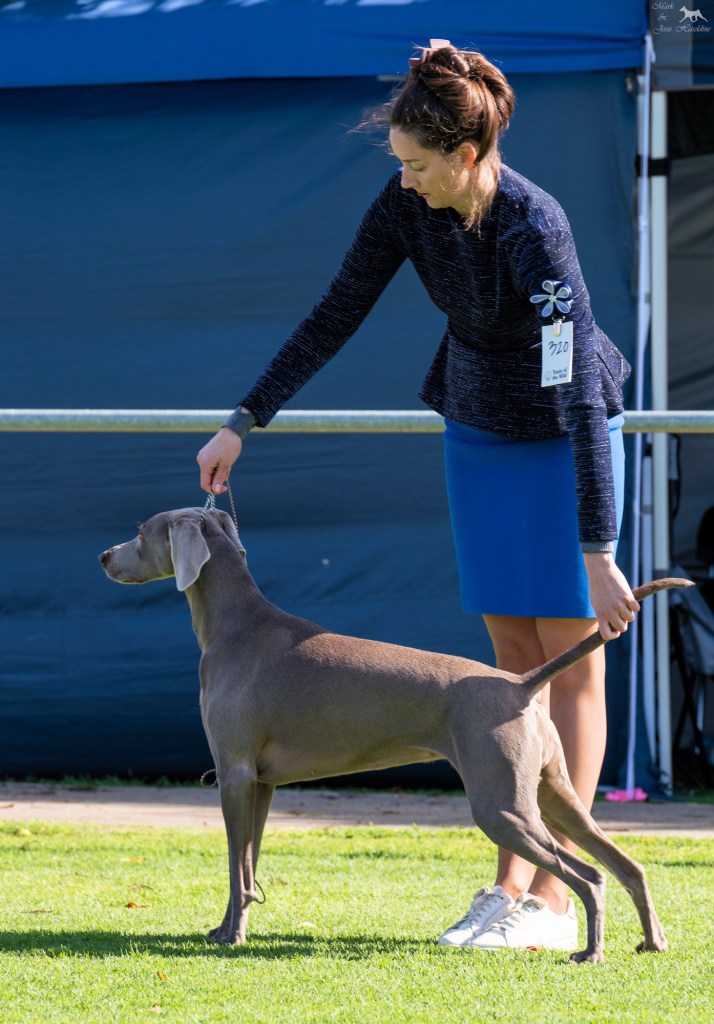
- The breeder is active in showing or performance, or both.
- The breeder is a part of breed clubs advocating for health and wellbeing of the breed
- The breeder may be apart of rescue groups for the breed, assisting in rehoming.
- Breeder is open to having their dogs evaluated against the standard. They do not dismiss the need for this.
- The breeder provides mentorship within the breed or they have mentors. Breeder actively engages with events and supports new owners through out puppy ownership.
3. Health Testing
- Health testing which is relevant to the breed is completed. For Weimaraner’s there are no required health tests but it is recommended to find a breeder that checks their breeding dogs DNA for genetic issues and hip scores their dog.
- A breeder should be able to share the test results when requested.
- Health testing is different to a general vet check up.
4. How are the puppies raised?
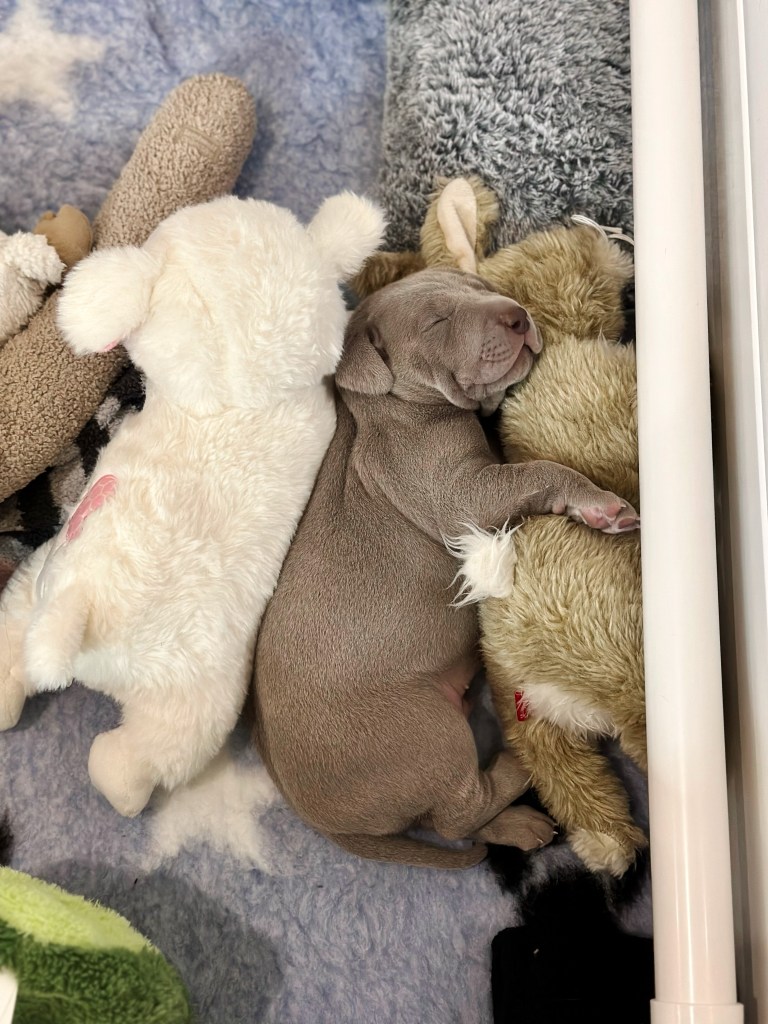
- Puppies are raised in the home or a well-managed, social space
- Puppies should be exposed to different household life: sounds, surfaces, people, routine. It is important to introduce puppies to the human life and spaces which they will likely be before they go to their new home.
- A breeder should be able to provide thought behind how they’re prepared for the real world and their new families.
- Be cautious of puppies & breeders that look like they keep their pups separate from human life and have minimal handling.




5. Puppy placement
- The breeder will asks about lifestyle, goals, and preferences. The breeder will want to find out how you plan to live with your dog so they can match temprements.
- Placement of puppies is based on suitability, not urgency.
- The breeder does not charge costs on certain colours. This is a red flag if some puppies becuase of their colour are being sold at higher rates. Breeding for “rare” colours, can be at the risk of health concerns.
6. Ongoing support
- The breeder would like to keep in contact and see how the puppy grows. They want to hear about updates.
- The breeder offers you support beyond the pick up day for questions, concerns and general advice. The breeder should be someone you can turn too and ask questions without judgement.
Take away’s
Finding a breeder you trust is an important part of the puppy journey. Your puppy will spend the first 8 weeks of their life with this person in their home and around their dogs, getting them set up for their transition into life with you.
Finding a breeder who is going to be transparent with you about the dogs’ history, health testing, and engagement with the breed community is a good start. Puppies should be raised in a social environment, with thoughtful placement based on compatibility. A good breeder provides ongoing support and maintains contact with new puppy owners to ensure a healthy transition.

